Source lixiang awd electric car for Fleet, Logistics, and Daily Commute
Find and compare the lixiang awd electric car across 30 listings. Evaluate specifications such as battery capacity, charging times, and drive types to identify suitable models for commercial or personal use.
Key considerations
Products List
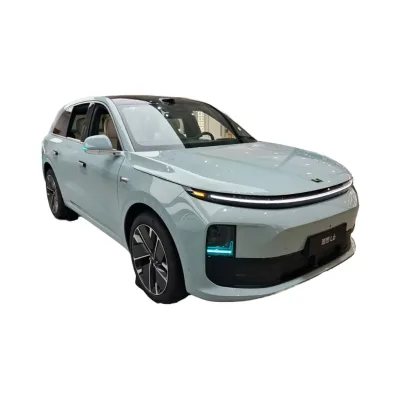


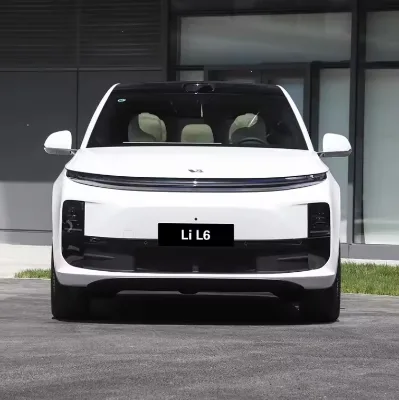
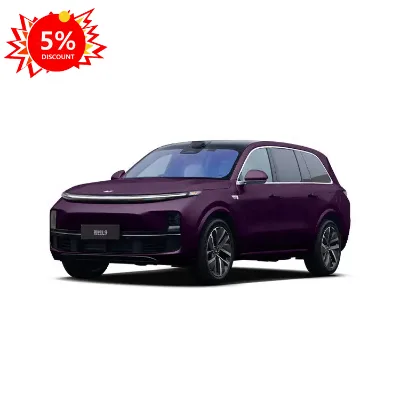


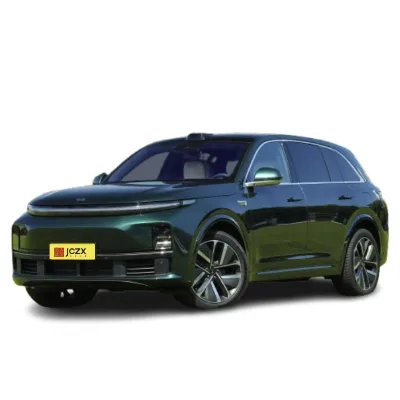
$52700.00 - $67600.00
Moq: 1




Comprehensive Sourcing Guide
Lixiang Awd Electric Car Sourcing Guide
Product Scope and Observed Listing Signals
The current market landscape for Lixiang electric vehicles reveals a fragmented listing environment where specific model designations and technical attributes vary significantly across suppliers. Observed data indicates a price range spanning from $1,700 to $67,670 USD, a disparity that suggests the presence of diverse product categories, including potential low-speed electric vehicles, component kits, or fully assembled passenger SUVs. Buyers must exercise extreme caution when interpreting these listings, as the term "Lixiang" appears alongside conflicting specifications such as "Lead-Acid Battery" and "Ternary Lithium Batteries," or "Max Speed: 30km/H" alongside "Max Speed: 180." This inconsistency highlights the necessity of verifying the exact nature of the unit being offered, whether it is a high-performance passenger vehicle like the L6 or L7 series or a different class of electric mobility device.
Furthermore, the observed inventory signals a mix of new and used conditions, with origins reported in both Tianjin and Fujian, China. This geographic and condition variance complicates the sourcing process, as it implies that suppliers may be aggregating listings from multiple sources or offering different tiers of product quality. The presence of models labeled as "Lixiang L6 2025Pro" and "Lixiang L7" alongside generic descriptors like "DABEN" suggests that some listings may not represent the core automotive brand but rather unrelated products using similar naming conventions. Procurement teams must therefore treat all observed attributes as preliminary observations rather than guaranteed specifications, requiring direct confirmation of the vehicle's identity, battery chemistry, and intended use case before proceeding with any commercial engagement.
Technical Specifications to Verify
When evaluating Lixiang AWD electric cars, the verification of drivetrain and battery specifications is paramount to ensuring the vehicle meets operational requirements. The supplied data presents a wide array of technical parameters, including wheelbases ranging from 2,920mm to 3,005mm and tire sizes consistently noted as 255/50 R20 for certain SUV models. Buyers must confirm whether the vehicle in question is a Front-Wheel Drive (FWD) or All-Wheel Drive (AWD) configuration, as this directly impacts performance, traction, and energy consumption. Additionally, the battery capacity is listed as 42.8kWh in some contexts, while other listings mention engine power figures like 1200W, which is inconsistent with passenger vehicle standards. It is critical to distinguish between pure electric models and hybrid variants, as the displacement figures of 1600-2500CC suggest the presence of internal combustion components in some listings, which may not align with a pure electric procurement strategy.
Charging infrastructure and performance metrics also require rigorous validation, as fast charging times vary from 0.33 hours to 0.5 hours in the observed data. These figures must be cross-referenced with the vehicle's actual battery chemistry, whether it utilizes Ternary Lithium or Lead-Acid batteries, as this determines charging compatibility and longevity. The braking systems are described as both electromagnetic and hydraulic disc brakes, indicating potential differences in vehicle class or model year. Procurement specialists should request detailed technical datasheets that specify the motor power output, torque figures such as the observed 529 N-M, and the exact dimensions of the vehicle body, which are listed as 4925x1960x1735mm for some models and 505019951750mm for others. Verifying these physical and electrical parameters ensures that the vehicle fits within logistical constraints and meets the intended performance benchmarks.
Compliance and Safety Documentation
Navigating the regulatory landscape for imported electric vehicles requires strict adherence to certification standards and safety documentation. The observed listings mention certifications such as CCC (China Compulsory Certification) and CE, which are essential for market access in China and the European Union, respectively. However, the presence of these certifications in a listing does not guarantee that every unit supplied will meet the specific regulatory requirements of the buyer's destination country. Buyers must verify that the vehicle's documentation includes valid certificates of conformity, type approval documents, and safety test reports that align with local laws. This is particularly important given the conflicting information regarding vehicle type, such as the distinction between passenger SUVs and other mobility devices, as each category may have different regulatory pathways.
Safety features and structural integrity are also critical components of the compliance verification process. The listings indicate a body structure of 5-Door, 5-Seater SUV for some models, which implies specific crash safety standards and pedestrian protection requirements. Buyers should request evidence of structural testing, including rollover resistance and impact absorption capabilities, to ensure the vehicle meets international safety benchmarks. Additionally, the braking system, whether hydraulic disc or electromagnetic, must be validated against relevant safety standards to ensure reliable stopping performance. It is advisable to engage third-party inspection agencies to verify that the physical vehicle matches the provided documentation and certifications, thereby mitigating the risk of receiving non-compliant or unsafe products.
Cost Drivers and Commercial Terms
The cost structure for Lixiang electric vehicles is influenced by a multitude of factors, including the vehicle's specifications, condition, and the supplier's pricing strategy. The observed price range of $1,700 to $67,670 USD reflects significant variability, driven by differences in battery capacity, drivetrain configuration, and model year. Buyers should analyze the cost drivers associated with high-end models, such as the L6 2025Pro or L7, which likely command higher prices due to advanced technology, larger battery packs, and premium features. Conversely, lower-priced listings may correspond to used vehicles, older models, or different product categories entirely. Understanding these cost drivers is essential for budgeting and ensuring that the procurement aligns with the organization's financial constraints and value expectations.
Commercial terms, including Minimum Order Quantity (MOQ) and payment conditions, also play a crucial role in the sourcing decision. The observed MOQ range of 1-5 units suggests flexibility for small-scale procurement, but buyers should negotiate terms that protect their interests, such as escrow payments or milestone-based releases. Packaging methods, ranging from standard export packing to iron frame packages, can impact shipping costs and insurance premiums, so these details should be clarified in the contract. Additionally, customization options are noted as available, which may incur additional costs and lead times. Buyers should seek transparent pricing breakdowns that separate the vehicle cost from shipping, insurance, and any customization fees, ensuring there are no hidden charges that could inflate the total cost of ownership.
Supplier Qualification and Quality Control
Selecting a reliable supplier is a critical step in mitigating procurement risks, especially given the inconsistencies observed in product listings. Buyers should conduct thorough due diligence on potential suppliers, verifying their business licenses, manufacturing capabilities, and track record in the electric vehicle industry. It is important to distinguish between manufacturers, trading companies, and aggregators, as each type of supplier offers different levels of control over quality and after-sales support. Suppliers claiming to offer Lixiang vehicles should be able to provide evidence of their authorization or direct relationship with the brand, if applicable. This verification process helps ensure that the buyer is dealing with a legitimate entity capable of delivering the specified products and supporting the transaction.
Quality control measures must be integrated into the procurement process to ensure that the delivered vehicles meet the agreed-upon specifications. Buyers should implement pre-shipment inspections to verify the vehicle's condition, battery health, and functional components, such as the braking system and charging ports. For new vehicles, this may include a visual inspection for defects and a functional test of all electronic systems. For used vehicles, a comprehensive mechanical and electrical assessment is necessary to identify any wear and tear or potential issues. Establishing clear quality acceptance criteria in the contract allows buyers to reject non-conforming goods and seek remedies, thereby protecting their investment and ensuring operational readiness upon delivery.
Long-Term Procurement Checks
Sourcing electric vehicles is not a one-time transaction but an ongoing relationship that requires continuous monitoring and evaluation. Buyers should establish key performance indicators (KPIs) to assess supplier performance, including delivery times, product quality, and responsiveness to issues. Regular audits of the supplier's operations and supply chain can help identify potential risks and ensure compliance with ethical and environmental standards. Additionally, buyers should stay informed about changes in the electric vehicle market, including new model releases, technological advancements, and regulatory updates, to ensure that their procurement strategy remains relevant and competitive. This proactive approach enables organizations to adapt to market dynamics and maintain a reliable supply of high-quality electric vehicles.
After-sales support and warranty terms are also critical considerations for long-term procurement success. Buyers should negotiate comprehensive warranty agreements that cover major components, such as the battery and motor, and clarify the procedures for claims and repairs. Access to spare parts and technical support is essential for maintaining vehicle uptime and minimizing operational disruptions. Establishing a clear communication channel with the supplier for ongoing support ensures that any issues can be resolved promptly and efficiently. By prioritizing long-term partnerships and robust support structures, buyers can maximize the value of their electric vehicle investments and ensure sustained operational performance.
FAQs
What is the wheelbase of the Lixiang L6 SUV?
The Lixiang L6 SUV features a wheelbase of 3005 mm. This dimension is observed in the product specifications for the 2025 Pro and Max models, ensuring ample interior space for passengers.
Can the Lixiang L6 be customized for buyers?
Yes, customization is available for the Lixiang L6 electric vehicle. Buyers can request specific configurations, though the standard offering includes a closed body style and left-hand steering setup.
What is the fast charging time for the electric model?
The fast charging time for the electric variant is approximately 0.5 hours. Some listings indicate a faster rate of 0.33 hours, depending on the specific battery capacity and charging infrastructure used.
Which certifications does the Lixiang L6 hold?
The vehicle holds CCC and CE certifications. These standards confirm compliance with safety and quality requirements for the electric and hybrid models originating from China.
What is the maximum speed of the Lixiang L6?
The maximum speed is listed as 180 km/h for the standard model. Some entries mention a lower limit of 30 km/h, which may apply to specific usage scenarios or different vehicle configurations.
What is the battery type used in the Lixiang L6?
The vehicle uses Ternary Lithium Batteries for its electric powertrain. This battery type supports the observed energy type of pure electric operation and provides the necessary capacity for driving.
How many seats does the Lixiang L6 SUV have?
The Lixiang L6 is a 5-door, 5-seater SUV. This body structure is designed for passenger usage, offering seating for five adults with a closed body style.